
Key Takeaways
- Your body needs cholesterol to function, but the balance between HDL (good) cholesterol and LDL (bad) cholesterol is what matters most for long-term health.
- For most adults, an LDL level below 100 mg/dL is optimal, while 160 mg/dL and above is considered high.
- High LDL is largely driven by diet, inactivity, excess body weight, genetics, and hormonal changes.
- Foods that increase HDL and lower LDL include fatty fish, nuts, olive oil, oats, and antioxidant-rich produce.
- Excess abdominal fat is strongly linked to an unfavourable cholesterol profile, so managing your body measurements supports both your shape and your internal health.
Most people hear the word “cholesterol” and assume it is something to eliminate completely. The reality is more balanced. Your body actually needs cholesterol to build cells, produce hormones, and support healthy function. The real concern is understanding HDL vs LDL cholesterol, because these two types behave in opposite ways. HDL is the good cholesterol and LDL is the bad cholesterol, and the balance between them is what shapes your heart health, your body shape, and your long-term wellbeing.
HDL vs LDL Cholesterol, What Is the Difference
The clearest place to start is the core question of HDL vs LDL cholesterol, because the two work in very different ways.
HDL, or high-density lipoprotein, removes excess cholesterol from the body by carrying it from the bloodstream to the liver, where it is removed. This protective action is why it is called the good cholesterol.
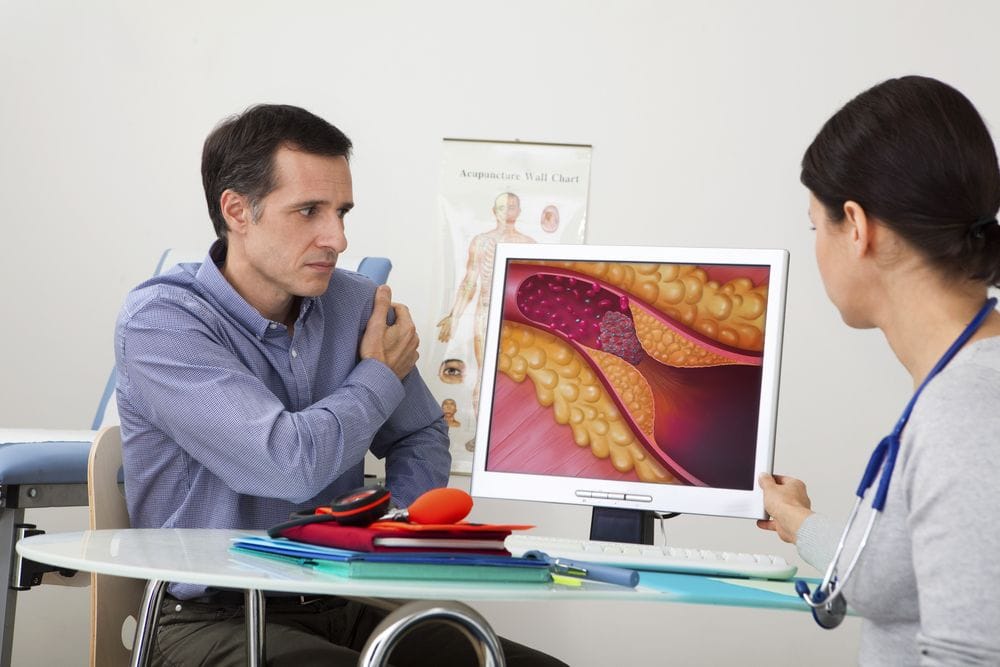
LDL, or low-density lipoprotein, does the opposite. Too much LDL, the bad cholesterol, in the bloodstream can build up in blood vessels and form fatty deposits called plaques. Over time these plaques narrow the arteries and raise the risk of heart disease and stroke.
A simple way to remember it: HDL is Helpful, and LDL is Less desirable. You want your HDL high and your LDL low.
Normal LDL Cholesterol Levels and How Much Is Too High
Knowing the normal LDL cholesterol levels helps you read a blood test result with confidence. For adults, an LDL level under 100 mg/dL is optimal, 100 to 129 mg/dL is near optimal, 130 to 159 mg/dL is borderline high, 160 to 189 mg/dL is high, and 190 mg/dL or higher is very high.
When it comes to working out how much LDL cholesterol is too high for you specifically, the answer depends on your overall risk. There is no single normal LDL level that suits everyone, and for people at very high risk the target may be lower, such as 70 mg/dL or 55 mg/dL.
For HDL, higher is better. An HDL level of 40 mg/dL or above is generally considered protective for men, and 50 mg/dL or above for women.
The most important point is that high LDL usually produces no warning signs at all. Healthcare professionals recommend that adults check their cholesterol levels at least once every four to six years, and more often if additional risk factors are present. A routine blood test is the only reliable way to know where you stand.
What Causes High LDL Cholesterol
Understanding what causes high LDL cholesterol makes it far easier to manage. Several factors contribute:
- Diet high in saturated and trans fats. The single biggest changeable factor that raises cholesterol is diet, particularly foods high in saturated fat such as baked goods, cookies, and some fried foods.
- A sedentary lifestyle. A lack of regular movement reduces the body’s ability to manage cholesterol efficiently.
- Excess body weight, especially stubborn fat around the midsection, hips, and thighs, which is closely linked to a less favourable cholesterol profile.
- Genetics and family history. Inherited conditions such as familial hypercholesterolemia make it harder for the body to remove LDL cholesterol from the blood.
- Age and hormonal changes, which gradually shift how the body processes fats over time.
How To Lower LDL Cholesterol With Practical Habits
The encouraging news is that how to lower LDL cholesterol mostly comes down to consistent, manageable habits. These are the most effective ways to reduce LDL cholesterol:
- Move more. Aim for at least 150 minutes of moderate exercise each week to support healthier lipid levels.
- Choose better fats. Swap saturated fats for unsaturated ones found in olive oil, avocado, and nuts.
- Add soluble fibre. Oats, beans, and fruit help limit how much cholesterol the body absorbs.
- Maintain a healthy body composition. Reducing your body measurements, particularly around the waist and abdomen, is closely connected to a healthier cholesterol balance.
- Stop smoking and limit alcohol, both of which influence your HDL and LDL levels.
For those who find that stubborn areas resist diet and exercise alone, a professional body contouring in Bangkok programme can help. SLIM uses advanced technology to visibly reduce body measurements from the very first session, complementing a healthier lifestyle.
Foods That Increase HDL and Lower LDL
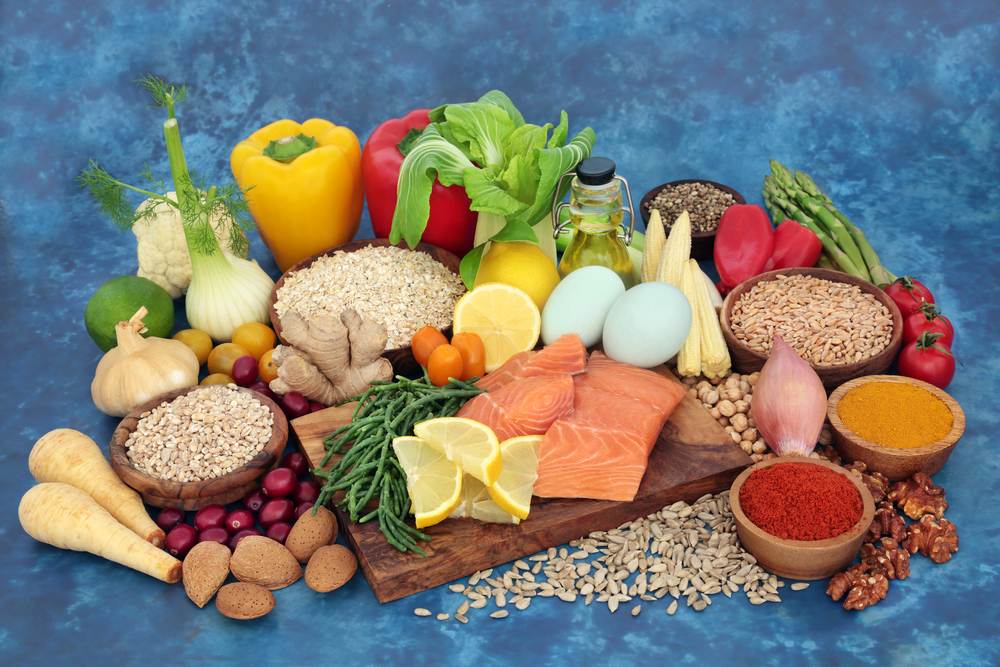
Diet is one of the most powerful tools you have. The best foods that increase HDL and lower LDL include:
- Fatty fish such as salmon and mackerel, which are rich in omega-3.
- Nuts and seeds, including almonds, flaxseed, and chia seeds.
- Olive oil and avocado, excellent sources of heart-friendly unsaturated fats.
- Whole grains and oats, which deliver the soluble fibre that helps lower LDL.
- Antioxidant-rich fruits and vegetables, especially berries and leafy greens.
It is just as important to limit the foods that work against you. Deep-fried items and baked goods are common sources of the saturated fat that raises cholesterol, alongside processed meats and products containing trans fats.
How Body Shape and Stubborn Fat Affect Cholesterol
Your body shape and your cholesterol profile are more closely linked than many people realise, particularly when it comes to abdominal fat.
Research on adults found that people with visceral, or deep abdominal, fat had higher total cholesterol and triglycerides and lower HDL compared with those without it, even when their body mass index was in the normal range. In other words, an unfavourable cholesterol balance is not only a concern for those who are visibly overweight. Studies also show that increased visceral abdominal tissue is an independent predictor of future atherogenic dyslipidemia, the very pattern of low HDL and raised triglycerides that increases cardiovascular risk.
This is why reducing your body measurements is about far more than appearance. It supports the internal health markers that protect your heart over the long term. When diet and exercise are not enough on their own, a professional fat reduction treatment in Bangkok programme at SLIM uses advanced contouring technology to help you reduce 2 to 8 centimetres in a single session, supporting your journey toward a healthier body inside and out.
Signs Your Cholesterol Needs Attention
Because high LDL rarely causes symptoms, it is often described as a silent issue. That makes proactive checking essential. It is worth paying close attention to your cholesterol if you have a family history of high cholesterol or heart disease, are over the age of 35, carry excess weight around the midsection, or have been largely sedentary.
The good news is that meaningful change is within reach. Combining better nutrition, regular movement, and a structured body shaping programme can create lasting results for both your health and your shape.
Start Your Body Contouring Journey at SLIM
Ready to take control of your body shape and your wellbeing? Book a consultation at SLIM, the body contouring specialist in Thonglor, Bangkok, and see how advanced technology can help you reduce stubborn measurements from the very first session. SLIM supports you from the first analysis of your concerns through to personalised advice and close follow-up of your results.
Contact us today:
- Website: slimbkk.com
- Phone: 099-612-9158
- Line: @slimbkk
Reference
- Cholesterol Levels by Age. Retrieved May 27, 2026, from https://www.medicalnewstoday.com/articles/315900
- Visceral Obesity and Lipid Profiles in Chinese Adults with Normal and High Body Mass Index. Retrieved May 27, 2026, from https://www.ncbi.nlm.nih.gov/pmc/articles/PMC9600752/
Frequently Asked Questions About HDL and LDL Cholesterol
Q: What is the main difference between HDL and LDL cholesterol?
A: HDL is high-density lipoprotein, often called good cholesterol, because it carries excess cholesterol to the liver to be removed. LDL is low-density lipoprotein, or bad cholesterol, because when levels are too high it builds up in artery walls. The goal is to keep HDL high and LDL low.
Q: What is a normal LDL cholesterol level?
A: For most adults, an LDL level below 100 mg/dL is considered optimal. Levels of 100 to 129 mg/dL are near optimal, 130 to 159 mg/dL is borderline high, 160 to 189 mg/dL is high, and 190 mg/dL or above is very high. People at higher cardiovascular risk may be given a lower personal target.
Q: Why is high LDL cholesterol dangerous if I feel fine?
A: High LDL usually causes no symptoms, which is why it is often called a silent issue. It can quietly contribute to plaque buildup in the arteries for years before any complication appears. A routine blood test is the only reliable way to know your levels.
Q: Which foods help increase HDL and lower LDL cholesterol?
A: Helpful foods include fatty fish such as salmon and mackerel, nuts and seeds, olive oil, avocado, oats and whole grains, and antioxidant-rich fruits and vegetables. It also helps to limit deep-fried foods, processed meats, and baked goods that contain trans fats.
Q: Is there a link between belly fat and cholesterol?
A: Yes. Research shows that excess visceral fat around the abdomen is associated with lower HDL and higher triglycerides, an unfavourable pattern even in people with a normal body weight. Reducing body measurements around the waist can therefore support a healthier cholesterol balance.